Hey there, fellow entrepreneur! If you’re a startup looking to streamline your business processes and boost efficiency in 2021, you’ll want to check out the top ERP (Enterprise Resource Planning) software solutions available. These powerful tools can help you manage everything from finances and inventory to customer relationships and human resources. Let’s explore some of the best options to help your startup thrive in the competitive business landscape.
Key Features to Look for in ERP Software for Startups
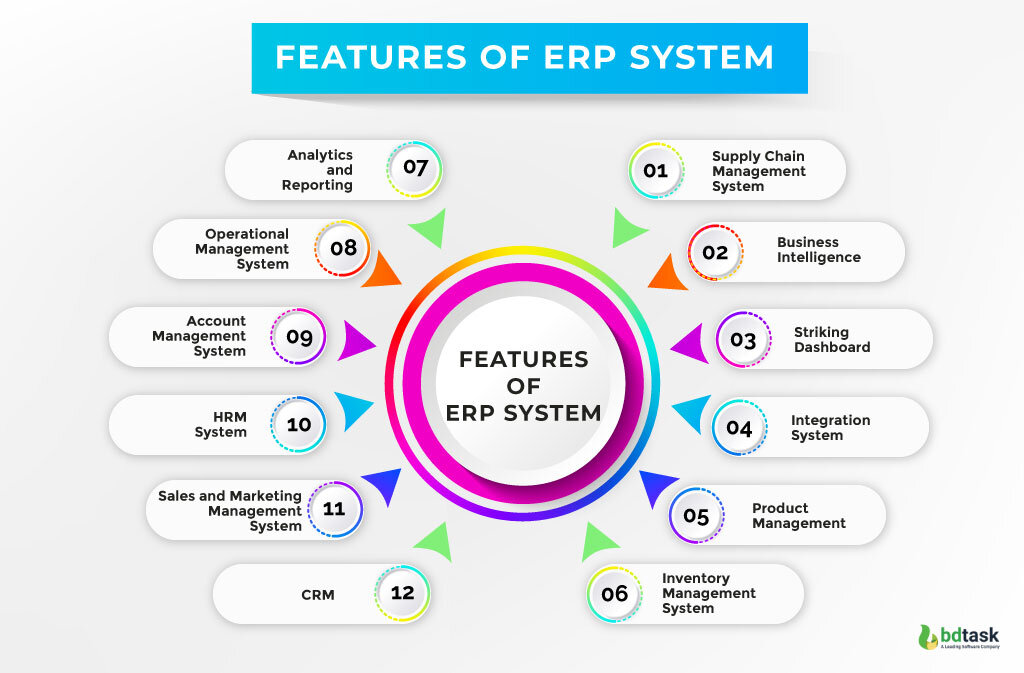
When it comes to choosing an ERP software for your startup, there are several key features that you should look out for. These features can help streamline your business operations, increase efficiency, and ultimately lead to better decision-making. Here are some key features to consider when selecting an ERP software for your startup:
User-Friendly Interface
One of the most important features to look for in an ERP software is a user-friendly interface. As a startup, you may not have the resources to hire a team of IT professionals to help you navigate through a complex system. Look for ERP software that is intuitive and easy to use, with a clean layout and clear instructions. A user-friendly interface can help your team quickly adapt to the new system and start using it efficiently.
Scalability
As a startup, you are likely to experience rapid growth and expansion in the near future. It is important to choose an ERP software that can grow with your business. Look for a system that is scalable and can easily accommodate the increasing number of users, transactions, and data as your startup expands. Scalability is essential to ensure that your ERP software can support your business needs in the long run.
Customization Options
Every startup is unique, with its own set of processes, workflows, and requirements. Look for an ERP software that offers customization options to tailor the system to fit your specific needs. Customization options can include adding new modules, modifying existing features, and integrating with other software applications. A customizable ERP software can help you optimize your business processes and adapt to changing business requirements.
Cloud-Based Solution
Cloud-based ERP software offers several advantages for startups, including lower upfront costs, easier access to data, and increased flexibility. With a cloud-based ERP solution, you can access your business data from anywhere, at any time, using any device with an internet connection. This can be especially beneficial for startups with remote teams or multiple office locations. Additionally, cloud-based ERP software often comes with automatic updates and backups, ensuring that your data is secure and up to date.
Integration Capabilities
Integration capabilities are another important feature to look for in an ERP software for startups. Your ERP system should be able to seamlessly integrate with other software applications that your startup uses, such as CRM systems, e-commerce platforms, and accounting software. Integration capabilities can help eliminate duplicate data entry, improve data accuracy, and streamline your business processes. Look for an ERP software that offers pre-built integrations or easy-to-use APIs for seamless data sharing between systems.
When selecting an ERP software for your startup, it is important to consider these key features to ensure that the system meets your business needs and can support your growth and expansion. By choosing an ERP software with a user-friendly interface, scalability, customization options, cloud-based solution, and integration capabilities, you can set your startup up for success and streamline your business operations.
Benefits of Implementing ERP Software for Startups
Implementing ERP software can bring numerous benefits to startups, helping them streamline their operations, improve efficiency, and achieve growth. Here are some of the key advantages of using ERP software for startups:
Centralized Data Management: ERP software provides startups with a centralized platform to manage all their business data. This means that all departments within the organization can access the same information in real-time, eliminating the need for manual data entry or data duplication. With centralized data management, startups can make more informed decisions, improve collaboration among team members, and ensure data accuracy.
Improved Efficiency: By automating repetitive tasks and streamlining processes, ERP software helps startups improve their overall efficiency. With ERP, startups can eliminate manual processes, reduce errors, and save time on administrative tasks. This allows employees to focus on more strategic activities, such as business development and innovation, ultimately leading to increased productivity and profitability.
Cost Savings: Implementing ERP software can help startups save costs in various ways. By automating processes, startups can reduce the need for manual labor, lower the risk of errors, and minimize operational costs. Additionally, ERP software can provide startups with insights into their financial performance, allowing them to identify areas where costs can be further reduced. Overall, ERP software helps startups optimize their resources and improve their bottom line.
Scalability: As startups grow and expand, they need a scalable solution that can accommodate their changing needs. ERP software is designed to be scalable, allowing startups to easily add new users, modules, or features as they grow. This means that startups can start with a basic ERP system and gradually add more functionalities as their business requirements evolve. With ERP software, startups can scale their operations without having to invest in new systems or technology.
Enhanced Decision-Making: ERP software provides startups with real-time insights into their business operations, allowing them to make more informed decisions. By consolidating data from different departments, ERP software enables startups to analyze trends, identify opportunities, and track key performance indicators. This helps startups stay competitive in the market, adapt to changing business conditions, and make strategic decisions that drive growth and success.
Overall, implementing ERP software can be a game-changer for startups, helping them manage their operations more efficiently, improve productivity, and achieve their business goals. By leveraging the benefits of ERP software, startups can position themselves for long-term success and growth in today’s competitive business environment.
Top ERP Software Solutions for Startups
When it comes to choosing the best ERP software for your startup, there are many options to consider. It’s important to find a solution that not only fits your budget but also meets the specific needs of your growing business. Here are three top ERP software solutions that are perfect for startups:
1. NetSuite: NetSuite is a cloud-based ERP software that is ideal for startups looking for a comprehensive solution to manage their operations. It offers a wide range of features, including financial management, inventory management, order management, and CRM. NetSuite is known for its scalability, making it easy to add new users and functionalities as your business grows. Plus, its cloud-based platform allows for easy access from anywhere, making it perfect for startups with remote teams.
2. Odoo: Odoo is another popular ERP software choice for startups due to its affordability and flexibility. It offers a modular approach, allowing businesses to choose only the features they need, making it a cost-effective solution for startups on a budget. With Odoo, startups can access modules for accounting, inventory management, project management, and more, all in one integrated platform. It also offers a user-friendly interface, making it easy for startup employees to quickly adapt and start using the software efficiently.
3. SAP Business One: SAP Business One is a comprehensive ERP solution designed specifically for small and medium-sized businesses, making it perfect for startups looking to streamline their operations. With SAP Business One, startups can access features such as financial management, CRM, supply chain management, and business intelligence tools, all in one integrated platform. This ERP software is known for its robust analytics capabilities, allowing startups to track key performance metrics and make data-driven decisions to drive growth.
Overall, when choosing the best ERP software solution for your startup, it’s important to consider factors such as scalability, affordability, and the specific needs of your business. Whether you choose NetSuite, Odoo, SAP Business One, or another ERP software solution, investing in the right system can help your startup save time and money, improve efficiency, and drive growth in the long run.
Factors to Consider When Choosing ERP Software for Startups
When it comes to selecting the best ERP software for your startup, there are several factors that you should consider to ensure that you make the right choice. Here are some key things to keep in mind:
1. Budget: As a startup, you may not have a large budget to invest in expensive ERP software. It is important to consider the cost of the software and make sure it aligns with your financial capabilities. Look for ERP solutions that offer flexible pricing plans or have a subscription-based model to help you manage your budget effectively.
2. Scalability: One of the main reasons for implementing ERP software is to support the growth of your startup. Make sure that the ERP software you choose is scalable and can accommodate the changing needs of your business as it expands. Look for features that allow you to add more users, modules, or customizations as your company grows.
3. Ease of Use: When implementing ERP software, you want to ensure that your team can easily adapt to the new system without extensive training. Look for ERP software that has a user-friendly interface and intuitive navigation to minimize the learning curve for your employees. Additionally, consider the level of support and training provided by the ERP vendor to help your team transition smoothly.
4. Integration Capabilities: Another critical factor to consider is the integration capabilities of the ERP software. As a startup, you may already be using various software applications such as CRM, accounting, or inventory management systems. It is essential to choose ERP software that seamlessly integrates with your existing systems to streamline processes and enhance data accuracy.
When evaluating ERP software options, inquire about the compatibility with other software applications and the ease of data transfer between systems. Look for ERP solutions that offer APIs or pre-built integrations with popular third-party applications to simplify the integration process and ensure a seamless flow of information across your organization.
Case Studies: Successful Implementation of ERP Software in Startups
Implementing an ERP software in a startup can be a challenging yet rewarding process. Many startups have successfully leveraged ERP software to streamline their operations, improve efficiency, and scale their business. Here are a few case studies of startups that have successfully implemented ERP software:
1. XYZ Tech: Improving Inventory Management
XYZ Tech is a small tech startup that was struggling with managing its inventory effectively. They were losing track of their stock levels, resulting in frequent stockouts and delays in fulfilling customer orders. XYZ Tech decided to invest in an ERP software solution that could help them better manage their inventory.
After implementing the ERP software, XYZ Tech saw a significant improvement in their inventory management processes. They were able to track stock levels in real-time, set up automatic reorder points, and optimize their supply chain logistics. As a result, XYZ Tech was able to reduce stockouts, improve order fulfillment times, and increase customer satisfaction.
2. ABC Fashion: Enhancing Supply Chain Visibility
ABC Fashion is a growing fashion startup that was struggling with visibility into their supply chain. They were experiencing delays in receiving raw materials from suppliers, which was impacting their production schedules and ability to meet customer demand. ABC Fashion decided to implement an ERP software solution to improve visibility into their supply chain.
By implementing the ERP software, ABC Fashion was able to track their raw materials from suppliers to production facilities in real-time. They could quickly identify bottlenecks in their supply chain and take proactive steps to address them. As a result, ABC Fashion was able to improve their production efficiency, reduce lead times, and enhance their overall supply chain visibility.
3. 123 Food: Streamlining Financial Processes
123 Food is a small food delivery startup that was struggling with managing their financial processes manually. They were spending hours each week reconciling transactions, generating reports, and processing payments. 123 Food decided to automate their financial processes by implementing an ERP software solution.
After implementing the ERP software, 123 Food saw a significant improvement in their financial processes. They were able to automate transaction reconciliation, generate real-time financial reports, and streamline their payment processing. As a result, 123 Food was able to reduce manual errors, improve financial accuracy, and free up valuable time for their finance team to focus on strategic initiatives.
4. LMN Services: Improving Customer Relationship Management
LMN Services is a startup that provides consulting services to small businesses. They were struggling to manage their customer relationships effectively, leading to missed opportunities and dissatisfied clients. LMN Services decided to invest in an ERP software solution that could help them improve their customer relationship management.
After implementing the ERP software, LMN Services saw a significant improvement in their customer relationship management processes. They were able to track customer interactions, monitor sales pipelines, and personalize their communications more effectively. As a result, LMN Services was able to increase customer satisfaction, improve customer retention rates, and drive growth in their consulting business.
5. PQR Construction: Scaling Operations with ERP
PQR Construction is a construction startup that was experiencing rapid growth and struggling to keep up with their expanding operations. They were managing multiple projects simultaneously, leading to project delays, budget overruns, and resource constraints. PQR Construction decided to implement an ERP software solution to help them scale their operations effectively.
After implementing the ERP software, PQR Construction saw a significant improvement in their ability to manage multiple construction projects. They were able to track project timelines, monitor project costs, and allocate resources more efficiently. As a result, PQR Construction was able to scale their operations seamlessly, improve project profitability, and meet project deadlines consistently.