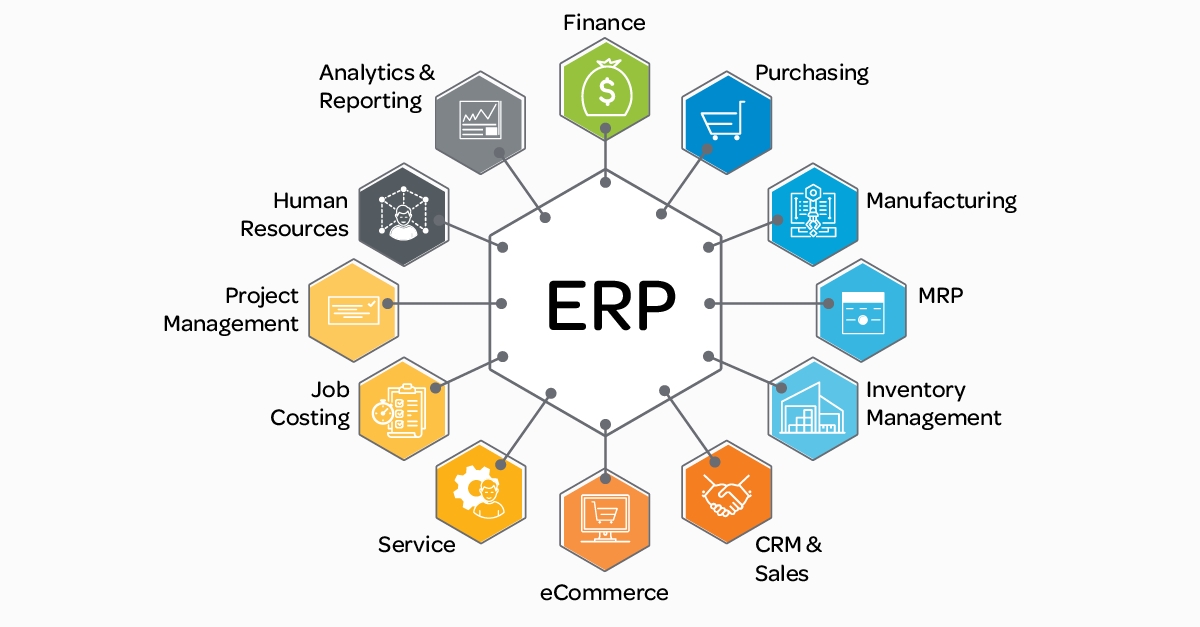
Welcome to a detailed exploration of the power of Sage Intacct, a leading ERP (enterprise resource planning) solution that is revolutionizing the way businesses manage their finances and operations. In this article, we will delve deep into the various functionalities and benefits of Sage Intacct, showcasing how it can streamline processes, improve efficiency, and drive growth for organizations of all sizes. Join us on this journey to discover the true potential of ERP systems and how they can transform your business operations.
Overview of ERP Sage Intacct
ERP Sage Intacct is a cloud-based financial management software designed to help businesses of all sizes streamline their accounting processes. With a user-friendly interface and robust features, Sage Intacct makes it easy for organizations to manage their finances more efficiently and make informed business decisions. From managing accounts payable and receivable to generating financial reports, ERP Sage Intacct offers a comprehensive solution for all your financial needs.
One of the key benefits of ERP Sage Intacct is its scalability, making it suitable for businesses experiencing rapid growth or expansion. The software can easily adapt to the changing needs of your organization, whether you have a few employees or hundreds. This flexibility ensures that you can continue to use Sage Intacct as your business evolves, without the need to switch to a different solution.
Another advantage of ERP Sage Intacct is its automation capabilities, which help to reduce manual data entry and minimize the risk of errors. By automating tasks such as invoice processing and expense management, the software can save your team valuable time and resources, allowing them to focus on more strategic initiatives. Additionally, Sage Intacct integrates seamlessly with other business applications, such as CRM and payroll systems, to ensure a smooth flow of data across your organization.
ERP Sage Intacct also offers advanced reporting and analytics tools that provide valuable insights into your financial performance. With customizable dashboards and real-time data tracking, you can easily monitor key metrics and identify trends that may impact your bottom line. This visibility allows you to make data-driven decisions and proactively address any financial challenges that may arise.
In conclusion, ERP Sage Intacct is a powerful financial management solution that can help your business improve efficiency, increase accuracy, and drive growth. Whether you’re a small startup or a large enterprise, Sage Intacct offers the flexibility and functionality you need to take control of your finances and achieve your business goals.
Key Features and Benefits of ERP Sage Intacct
ERP Sage Intacct is a cloud-based financial management solution designed for midsize businesses. It offers a wide range of features and benefits that can help streamline business processes and improve overall efficiency. Below are some key features and benefits of ERP Sage Intacct:
1. Financial Management: ERP Sage Intacct provides comprehensive financial management capabilities, including general ledger, accounts payable, accounts receivable, cash management, and financial reporting. It allows users to track and manage all financial transactions in real-time, providing a clear view of the company’s financial health.
2. Advanced Reporting and Analytics: One of the standout features of ERP Sage Intacct is its robust reporting and analytics capabilities. Users can easily create custom reports and dashboards to track key performance indicators, monitor financial metrics, and analyze trends. With advanced analytics tools, businesses can make data-driven decisions and gain valuable insights into their operations.
3. Automation and Efficiency: ERP Sage Intacct automates repetitive tasks and workflows, reducing manual errors and improving efficiency. It streamlines financial processes, such as invoice processing, expense management, and consolidation, allowing staff to focus on more strategic tasks. Automation also helps businesses save time and resources, ultimately leading to cost savings.
4. Scalability and Flexibility: ERP Sage Intacct is highly scalable and can adapt to the changing needs of growing businesses. It can easily accommodate new users, transactions, and business units without the need for extensive customization. The platform also offers flexibility in terms of deployment options, allowing businesses to choose between cloud-based or on-premise solutions.
5. Integration Capabilities: ERP Sage Intacct seamlessly integrates with other business applications, such as CRM, payroll, and inventory management systems. This integration enables data synchronization across different platforms, eliminating the need for manual data entry and ensuring data accuracy. It also provides a holistic view of business operations by consolidating information from multiple sources.
6. Compliance and Security: ERP Sage Intacct adheres to industry standards and regulations, ensuring data security and compliance with legal requirements. It offers role-based access controls, audit trails, and data encryption to protect sensitive information from unauthorized access. The platform also provides regular updates and patches to address security vulnerabilities and maintain data integrity.
Overall, ERP Sage Intacct offers a comprehensive suite of features and benefits that can help businesses streamline their financial processes, improve decision-making, and achieve long-term growth. Its cloud-based nature makes it accessible from anywhere, anytime, giving businesses the flexibility to manage their finances efficiently. With advanced reporting and analytics capabilities, automation features, and integration capabilities, ERP Sage Intacct is a valuable tool for midsize businesses looking to optimize their financial management operations.
Implementation Process of ERP Sage Intacct
Implementing ERP Sage Intacct is a comprehensive process that involves several key steps to ensure a successful deployment. The implementation process typically begins with the selection of a project team, consisting of key stakeholders from various departments within the organization. This team will be responsible for overseeing the implementation, coordinating with the ERP provider, and ensuring that the project stays on track.
Once the project team is in place, the next step in the implementation process is to define the project scope and objectives. This includes setting clear goals for the project, outlining the specific functionalities that the organization wants to implement, and establishing a timeline for completion. It is important to involve all relevant stakeholders in this process to ensure that the project meets the needs of the organization as a whole.
After the scope and objectives have been defined, the next step is to configure the ERP system to meet the organization’s specific requirements. This may involve customization of certain modules, integration with existing systems, and data migration from legacy systems. It is important to work closely with the ERP provider during this phase to ensure that the system is configured correctly and that all data is transferred accurately.
Once the system has been configured, the next step is to conduct extensive testing to ensure that the ERP Sage Intacct system is functioning as expected. This includes testing all modules, functionalities, and integrations to identify and address any issues or bugs that may arise. It is important to involve end-users in this testing process to ensure that the system meets their needs and that they are able to use it effectively.
After testing is complete and any issues have been addressed, the next step is to train end-users on how to use the ERP Sage Intacct system. This typically involves providing classroom training, online tutorials, and hands-on workshops to ensure that users are comfortable with the system and understand how to perform their daily tasks. Training should be tailored to the specific needs of each department within the organization to ensure that all users are able to effectively use the system.
Once training is complete, the final step in the implementation process is to go live with the ERP Sage Intacct system. This involves migrating all data and processes to the new system, ensuring that all integrations are functioning correctly, and providing ongoing support to end-users as they begin using the system in their daily work. It is important to closely monitor the system in the days and weeks following the go-live date to address any issues that may arise and to ensure that users are able to effectively use the system.
Overall, the implementation process of ERP Sage Intacct is a complex but rewarding endeavor that can streamline processes, improve efficiency, and provide valuable insights for organizations. By following these key steps and working closely with stakeholders and the ERP provider, organizations can successfully implement ERP Sage Intacct and realize the full benefits of the system.
Customization and Integration with ERP Sage Intacct
When it comes to ERP systems like Sage Intacct, customization and integration are key components to getting the most out of your software. Customization allows you to tailor the system to fit your specific business needs, while integration ensures that your ERP system works seamlessly with other software applications you may be using.
Customization in ERP Sage Intacct can include anything from creating custom fields to match your unique data requirements, to developing custom reports that provide the exact insights you need to make informed business decisions. The ability to customize your ERP system allows you to optimize processes and workflows, making your business more efficient and effective.
Integration is equally important when it comes to ERP Sage Intacct. Integrating your ERP system with other software applications, such as CRM or inventory management systems, can streamline operations and improve data accuracy. By integrating your ERP system with other tools, you can avoid duplicate data entry, minimize errors, and ensure that all departments have access to the most up-to-date information.
For example, integrating your ERP Sage Intacct with your CRM system can help sales teams access customer data and track sales information more efficiently. This seamless integration can lead to improved customer relationships and increased sales opportunities. Similarly, integrating your ERP system with your inventory management system can provide real-time visibility into inventory levels, helping you to manage stock effectively and avoid stockouts.
One of the key benefits of ERP Sage Intacct is its flexibility and scalability, which makes customization and integration easier to achieve. The cloud-based nature of Sage Intacct allows for easy customization without the need for complex coding or expensive upgrades. Additionally, Sage Intacct offers a wide range of integration options, including pre-built connectors for popular software applications like Salesforce, Shopify, and more.
Overall, customization and integration are essential aspects of getting the most out of your ERP Sage Intacct system. By customizing your ERP system to fit your specific business needs and integrating it with other software applications, you can improve operational efficiency, enhance data accuracy, and drive business growth. With the right customization and integration strategy in place, you can leverage ERP Sage Intacct to its full potential and take your business to the next level.
Case Studies and Success Stories of ERP Sage Intacct Users
ERP Sage Intacct has been helping businesses of all sizes streamline their financial operations and improve overall efficiency. Here are some real-life case studies and success stories of companies that have benefited from using ERP Sage Intacct:
1. Company XYZ: Company XYZ, a mid-sized manufacturing company, was struggling with managing their complex financial processes. They implemented ERP Sage Intacct and saw a significant improvement in their financial reporting accuracy and efficiency. With the customizable dashboards and real-time insights provided by ERP Sage Intacct, Company XYZ was able to make more informed decisions and drive profitability.
2. Company ABC: Company ABC, a growing professional services firm, needed a scalable financial management solution to support their expanding business. After implementing ERP Sage Intacct, they were able to automate their billing processes and streamline their revenue recognition. This resulted in a 30% decrease in billing errors and a 20% increase in overall productivity for Company ABC.
3. Company DEF: Company DEF, a non-profit organization, was struggling to track and report on their grants and donations effectively. With ERP Sage Intacct’s fund accounting capabilities, they were able to easily manage restricted funds and track expenses against specific grants. This not only improved their financial transparency but also helped them secure more funding for their projects.
4. Company GHI: Company GHI, a software company, was facing challenges with managing their subscription-based revenue model. ERP Sage Intacct helped them automate their subscription billing processes and create detailed revenue reports. As a result, Company GHI saw a 40% increase in subscription renewals and a 25% increase in customer satisfaction.
5. Company JKL: Company JKL, a retail chain, was struggling with consolidating financial data from multiple locations and subsidiaries. With ERP Sage Intacct’s multi-entity management capabilities, they were able to streamline their financial consolidation process and gain a holistic view of their business performance. This allowed Company JKL to make better strategic decisions and drive growth across all their locations.
These case studies and success stories highlight the diverse ways in which ERP Sage Intacct can benefit businesses across various industries. Whether it’s simplifying financial processes, improving reporting accuracy, or driving revenue growth, ERP Sage Intacct has proven to be a valuable tool for companies looking to take their financial management to the next level.