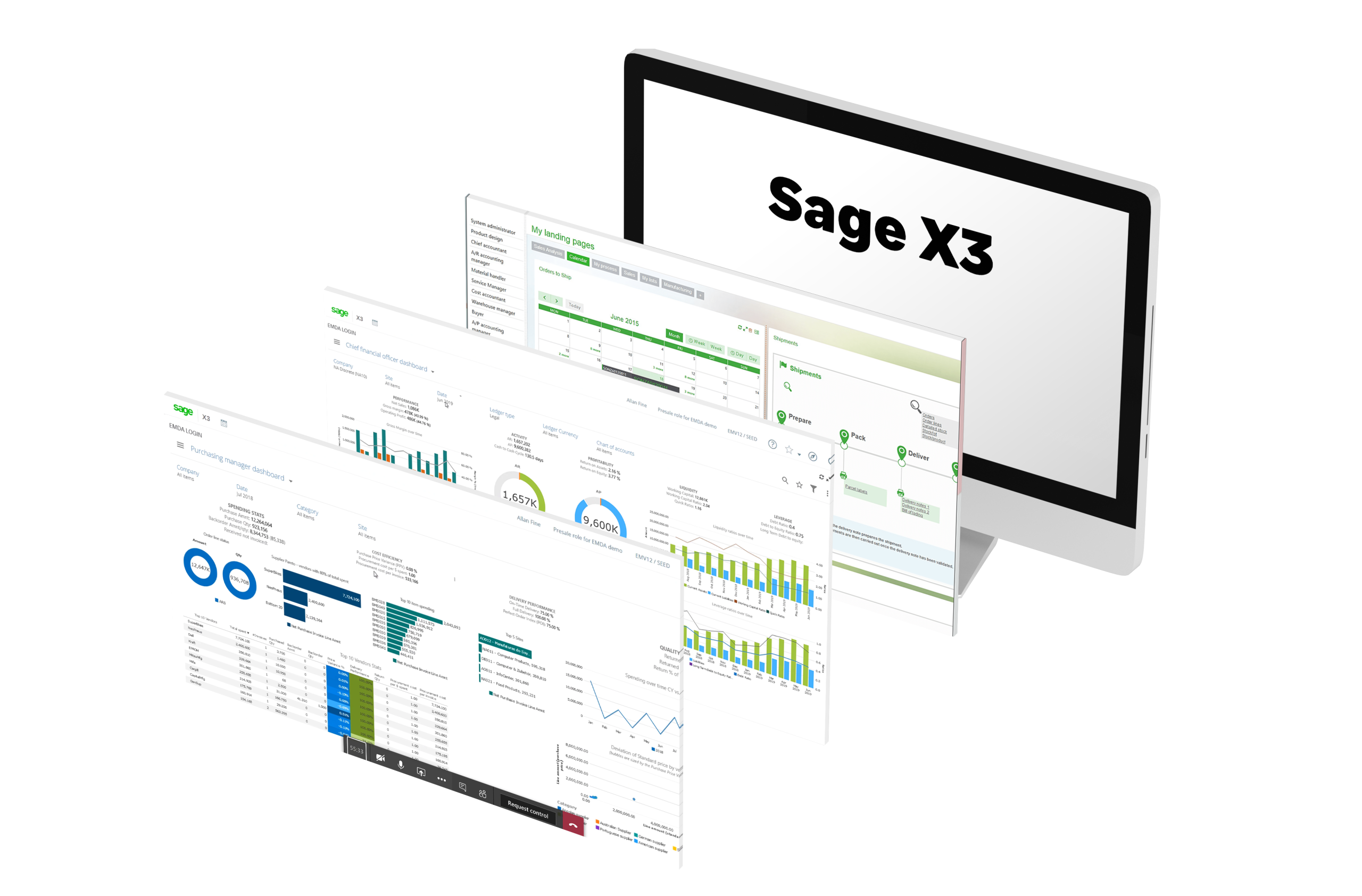
Effective ERP Systems for Optimizing Distribution Channels
Welcome, fellow business enthusiasts! In today’s fast-paced world of commerce, having an effective Enterprise Resource Planning (ERP) system is crucial for optimizing distribution channels and maximizing efficiency. From streamlining inventory management to enhancing customer service, a robust ERP system can revolutionize the way your business operates. Join us as we explore the key features and benefits of utilizing ERP systems in distribution channels, and discover how they can help take your business to the next level.
Benefits of ERP Systems for Distribution
ERP systems offer a wide range of benefits for distribution businesses, helping them streamline their operations and improve efficiency. One of the main advantages of using an ERP system in distribution is the ability to increase visibility across the entire supply chain. With all data housed in a centralized system, businesses can easily track inventory levels, monitor sales trends, and forecast demand more accurately. This real-time visibility allows distributors to make informed decisions quickly and adapt to changing market conditions.
Another benefit of ERP systems for distribution is the improved inventory management capabilities. By tracking inventory levels in real-time, businesses can minimize stockouts and overstock situations, which can lead to costly mistakes. ERP systems also offer advanced forecasting tools that can help distributors predict future demand more accurately, reducing excess inventory and improving cash flow.
ERP systems can also help distribution businesses streamline their order fulfillment process. By automating order processing, businesses can reduce the time it takes to process orders and improve overall customer satisfaction. ERP systems can also help businesses track order status, manage returns, and monitor shipping and delivery times, ensuring that orders are fulfilled quickly and accurately.
One of the key benefits of ERP systems for distribution is the ability to integrate with other business systems. ERP systems can be easily integrated with CRM systems, ecommerce platforms, and third-party logistics providers, creating a seamless flow of information across the organization. This integration improves communication between departments, streamlines processes, and eliminates manual data entry errors.
ERP systems also offer advanced reporting and analytics capabilities, allowing distribution businesses to make data-driven decisions and optimize their operations. By generating real-time reports on key performance indicators such as sales, inventory levels, and order fill rates, businesses can identify trends, spot potential issues, and make strategic decisions to improve efficiency and profitability.
In conclusion, ERP systems offer a wealth of benefits for distribution businesses, from increased visibility and improved inventory management to streamlined order fulfillment and integrated systems. By leveraging the power of ERP technology, distribution businesses can optimize their operations, reduce costs, and stay competitive in today’s fast-paced marketplace.
Key Features to Look for in Distribution ERP Systems
When selecting an ERP system for distribution, it is essential to consider a variety of key features that can streamline your business operations and improve overall efficiency. Here are some important features to look for when evaluating different distribution ERP systems:
1. Inventory Management: An effective distribution ERP system should have robust inventory management capabilities to help you track and manage inventory levels accurately. Look for features such as real-time inventory visibility, automated stock alerts, and inventory optimization tools that can help you reduce carrying costs and prevent stockouts.
2. Order Management: Another crucial feature to look for in a distribution ERP system is comprehensive order management functionality. This includes the ability to process orders quickly and accurately, manage order statuses, track order fulfillment, and handle exceptions efficiently. Look for an ERP system that offers advanced order management features such as order tracking, automated order processing, and integration with e-commerce platforms for seamless order processing.
3. Warehouse Management: A distribution ERP system with robust warehouse management capabilities can help you optimize warehouse operations, improve inventory accuracy, and increase order fulfillment efficiency. Look for features such as warehouse layout optimization, pick and pack processes, barcode scanning, and real-time inventory tracking to streamline warehouse operations and reduce errors.
4. Demand Planning: Effective demand planning is crucial for distribution businesses to anticipate customer demand, optimize inventory levels, and improve overall supply chain efficiency. Look for an ERP system that offers advanced demand planning tools such as forecasting algorithms, demand sensing capabilities, and inventory replenishment suggestions to help you stay ahead of customer demand and avoid stockouts.
5. Reporting and Analytics: In order to make informed business decisions and monitor key performance indicators, it is essential to have robust reporting and analytics capabilities in your distribution ERP system. Look for features such as customizable dashboards, real-time reporting, data analytics tools, and predictive analytics capabilities to gain insights into your distribution operations and identify areas for improvement.
6. Integration Capabilities: A distribution ERP system should have the ability to integrate with other business systems such as accounting software, e-commerce platforms, and supply chain management systems to ensure seamless data flow and streamline business processes. Look for an ERP system that offers flexible integration options, API capabilities, and pre-built connectors to easily connect with other systems and eliminate manual data entry.
By considering these key features when evaluating distribution ERP systems, you can select a system that meets your business needs, improves operational efficiency, and drives growth in your distribution business.
Implementing ERP Systems in Distribution Companies
Implementing an ERP system in a distribution company can be a challenging but valuable process. There are several key steps to consider when implementing an ERP system in a distribution company:
1. Needs Assessment: Before implementing an ERP system, it is important to assess the specific needs of the distribution company. This involves identifying the challenges and opportunities within the distribution process, as well as the goals and objectives of the company. By understanding the unique requirements of the distribution company, the ERP system can be customized to meet these needs.
2. Selecting the Right ERP System: Choosing the right ERP system is crucial for the successful implementation of an ERP system in a distribution company. It is important to research and evaluate different ERP systems to find one that aligns with the needs and goals of the distribution company. Consider factors such as scalability, integration capabilities, user-friendliness, and cost when selecting an ERP system.
3. Customization and Integration: Once an ERP system has been selected, the next step is to customize and integrate the system into the distribution company’s existing processes. This may involve developing new modules, workflows, and reports to align the ERP system with the specific needs of the distribution company. Integration with other systems, such as inventory management, order processing, and customer relationship management, is also crucial for a seamless workflow.
Customization and integration require close collaboration between the distribution company and the ERP system provider. It is important to clearly communicate the requirements and expectations to ensure that the ERP system is tailored to meet the needs of the distribution company. Training and support should also be provided to ensure that employees are familiar with the new system and can effectively utilize its features.
4. Data Migration: Migrating data from existing systems to the new ERP system is another important step in the implementation process. This involves transferring data such as inventory records, customer information, sales orders, and financial data to the new ERP system. Data migration should be carefully planned and executed to ensure that the integrity and accuracy of the data are maintained throughout the process.
5. Monitoring and Evaluation: After the ERP system has been implemented, it is important to monitor its performance and evaluate its impact on the distribution company. This may involve conducting regular audits, collecting feedback from employees, and analyzing key performance indicators to assess the effectiveness of the ERP system. Adjustments and improvements can be made based on the evaluation results to enhance the efficiency and productivity of the distribution company.
By following these key steps, distribution companies can successfully implement an ERP system to streamline their operations, improve their efficiency, and enhance their competitiveness in the market.
Case Studies of Successful ERP Implementation in Distribution
Implementing an ERP system in a distribution company can be a game-changer for streamlining operations, improving efficiency, and increasing profitability. Let’s take a look at some real-life case studies of successful ERP implementation in distribution:
Case Study 1: Company X
Company X was a medium-sized distribution company that was struggling with manual processes, inventory management issues, and communication gaps between departments. They decided to implement an ERP system that was tailored to their specific needs and requirements. The new system integrated all their core business functions, including inventory management, order processing, and customer relationship management.
After the ERP implementation, Company X saw a significant improvement in their operations. They were able to streamline their processes, reduce manual errors, and improve inventory accuracy. The real-time data provided by the ERP system helped them make informed decisions and quickly respond to changing market conditions. As a result, Company X saw an increase in productivity, cost savings, and overall profitability.
Case Study 2: Company Y
Company Y was a large distribution company with multiple warehouses and a complex supply chain network. They were facing challenges in managing their inventory levels, coordinating shipments, and tracking orders in real-time. To address these issues, Company Y implemented an ERP system that integrated all their warehouses and distribution centers.
With the new ERP system in place, Company Y was able to automate their inventory management processes, optimize their warehouse operations, and improve order fulfillment accuracy. The system provided real-time visibility into their inventory levels, shipments, and order status, allowing them to quickly identify bottlenecks and streamline their operations. As a result, Company Y saw a significant improvement in their operational efficiency, customer service levels, and overall profitability.
Case Study 3: Company Z
Company Z was a small distribution company that was experiencing rapid growth but struggling to keep up with the increasing demand. They needed a solution that could help them scale their operations, improve order accuracy, and enhance customer satisfaction. Company Z decided to implement an ERP system that could automate their order processing, inventory management, and customer service functions.
After the successful implementation of the ERP system, Company Z saw a remarkable transformation in their business. They were able to handle a higher volume of orders, reduce order processing times, and improve order accuracy. The system allowed them to better track their inventory levels, forecast demand more accurately, and provide superior customer service. As a result, Company Z was able to not only meet the growing demand but also exceed customer expectations and drive business growth.
In conclusion, these case studies highlight the transformative power of ERP systems in the distribution industry. By implementing an ERP system tailored to their specific needs and requirements, companies can streamline their operations, improve efficiency, and drive business growth. Whether you are a small, medium, or large distribution company, investing in an ERP system can bring significant benefits and help you stay ahead in today’s competitive market.
Future Trends in ERP Systems for Distribution
As the distribution industry continues to evolve, so do the ERP systems that support it. In order to stay competitive and meet the changing needs of customers, distributors are looking to implement new technologies and processes in their ERP systems. Here are some of the future trends in ERP systems for distribution:
1. Integration with IoT: One of the biggest trends in ERP systems for distribution is the integration with Internet of Things (IoT) devices. These devices can collect real-time data on inventory levels, shipment status, and other important metrics, allowing distributors to make more informed decisions and streamline their operations. By integrating IoT devices with ERP systems, distributors can improve efficiency, reduce costs, and provide better service to their customers.
2. Machine Learning and AI: Another trend in ERP systems for distribution is the use of machine learning and artificial intelligence (AI) algorithms. These technologies can help distributors analyze large amounts of data, identify trends and patterns, and make predictions about future demand or supply chain issues. By incorporating machine learning and AI into their ERP systems, distributors can gain valuable insights that can help them optimize their operations and make better decisions.
3. Cloud-Based ERP Systems: Cloud-based ERP systems are becoming increasingly popular in the distribution industry. These systems offer several advantages, including lower upfront costs, scalability, and easier access to data from anywhere. By moving their ERP systems to the cloud, distributors can reduce IT maintenance costs, improve collaboration among employees, and quickly adapt to changing market conditions.
4. Mobile ERP Applications: With the rise of mobile technology, more distributors are looking to implement mobile ERP applications. These applications allow employees to access important data and perform tasks on the go, increasing productivity and efficiency. By providing mobile access to their ERP systems, distributors can improve communication, streamline processes, and empower their workforce to make decisions in real-time.
5. Blockchain Technology: One of the most exciting future trends in ERP systems for distribution is the integration of blockchain technology. Blockchain is a secure, decentralized ledger that can record transactions in a transparent and tamper-proof manner. By incorporating blockchain technology into their ERP systems, distributors can enhance the security and traceability of their supply chains, reduce the risk of fraud or errors, and improve trust among partners and customers. This technology has the potential to revolutionize how distribution companies manage their operations and interact with stakeholders.