Hey there! If you’re wondering whether Oracle Netsuite is considered an ERP system, you’ve come to the right place. Oracle Netsuite is indeed classified as an ERP system, but what exactly does that mean? Let’s delve into the world of enterprise resource planning and explore what makes Netsuite a top contender in the field.
History and Background of Oracle Netsuite
Oracle Netsuite is a cloud-based Enterprise Resource Planning (ERP) software that has revolutionized the way businesses manage their operations and finances. The company was founded in 1998 by Evan Goldberg as NetSuite Inc. in San Mateo, California. Initially, the software was designed to provide a single integrated platform for managing various business processes such as financials, customer relationship management (CRM), and e-commerce.
NetSuite quickly gained popularity among small and medium-sized businesses for its ease of use and scalability. In 2006, Oracle Corporation recognized the potential of NetSuite and acquired the company for $9.3 billion. This acquisition allowed NetSuite to leverage Oracle’s resources and expertise in the cloud computing industry.
Since then, Oracle Netsuite has grown to become one of the leading ERP solutions in the market, serving over 40,000 organizations worldwide. The software is known for its flexibility, customizability, and integration capabilities, making it suitable for businesses of all sizes and industries.
Oracle Netsuite offers a comprehensive suite of applications that cover a wide range of business functions, including financial management, order processing, inventory management, CRM, and human resources. The software is built on a unified platform, allowing users to access real-time data and analytics from anywhere at any time.
One of the key advantages of Oracle Netsuite is its cloud-based architecture, which eliminates the need for costly hardware and infrastructure. This enables businesses to reduce IT costs, improve efficiency, and scale their operations as needed. Additionally, the software is continuously updated with new features and enhancements, ensuring that users always have access to the latest technologies.
Oracle Netsuite has received numerous awards and accolades for its innovation and impact on the industry. In 2021, the software was named a Leader in the Gartner Magic Quadrant for Cloud Core Financial Management Suites for Midsize, Large, and Global Enterprises. This recognition is a testament to Oracle Netsuite’s commitment to excellence and customer satisfaction.
In conclusion, Oracle Netsuite is more than just an ERP software – it is a complete business management solution that empowers organizations to streamline their processes, drive growth, and achieve success in a competitive market. With its rich history and cutting-edge technology, Oracle Netsuite continues to set the standard for cloud-based ERP solutions worldwide.
Features and Functionality of Oracle Netsuite as an ERP System
Oracle Netsuite is a comprehensive ERP system that offers a wide range of features and functionalities designed to help businesses streamline their operations, improve efficiency, and drive growth. From financial management to inventory control, Netsuite provides a fully integrated solution that can meet the needs of businesses of all sizes. Let’s take a closer look at some of the key features and functionalities of Oracle Netsuite as an ERP system.
One of the key features of Oracle Netsuite is its robust financial management capabilities. The system offers a wide range of financial tools and features, including general ledger, accounts payable and receivable, budgeting, and financial reporting. With Netsuite, businesses can easily track and manage their finances in real-time, giving them greater visibility into their financial health and performance.
Another important feature of Oracle Netsuite is its inventory management functionality. Netsuite allows businesses to efficiently track and manage their inventory levels, optimize reorder points, and streamline their procurement process. With real-time visibility into inventory levels and transactions, businesses can reduce stockouts, minimize excess inventory, and improve overall supply chain efficiency.
Oracle Netsuite also offers powerful CRM capabilities, allowing businesses to manage their customer relationships and improve customer service. The system includes features such as customer profiles, sales force automation, marketing automation, and customer support tools. With Netsuite, businesses can better understand their customers, personalize their marketing efforts, and provide superior customer service.
In addition, Oracle Netsuite offers robust project management features to help businesses efficiently plan, track, and execute their projects. Netsuite includes project planning, resource management, time tracking, and expense reporting tools, allowing businesses to effectively manage their projects and optimize resource allocation. With Netsuite’s project management capabilities, businesses can improve project delivery, increase profitability, and drive customer satisfaction.
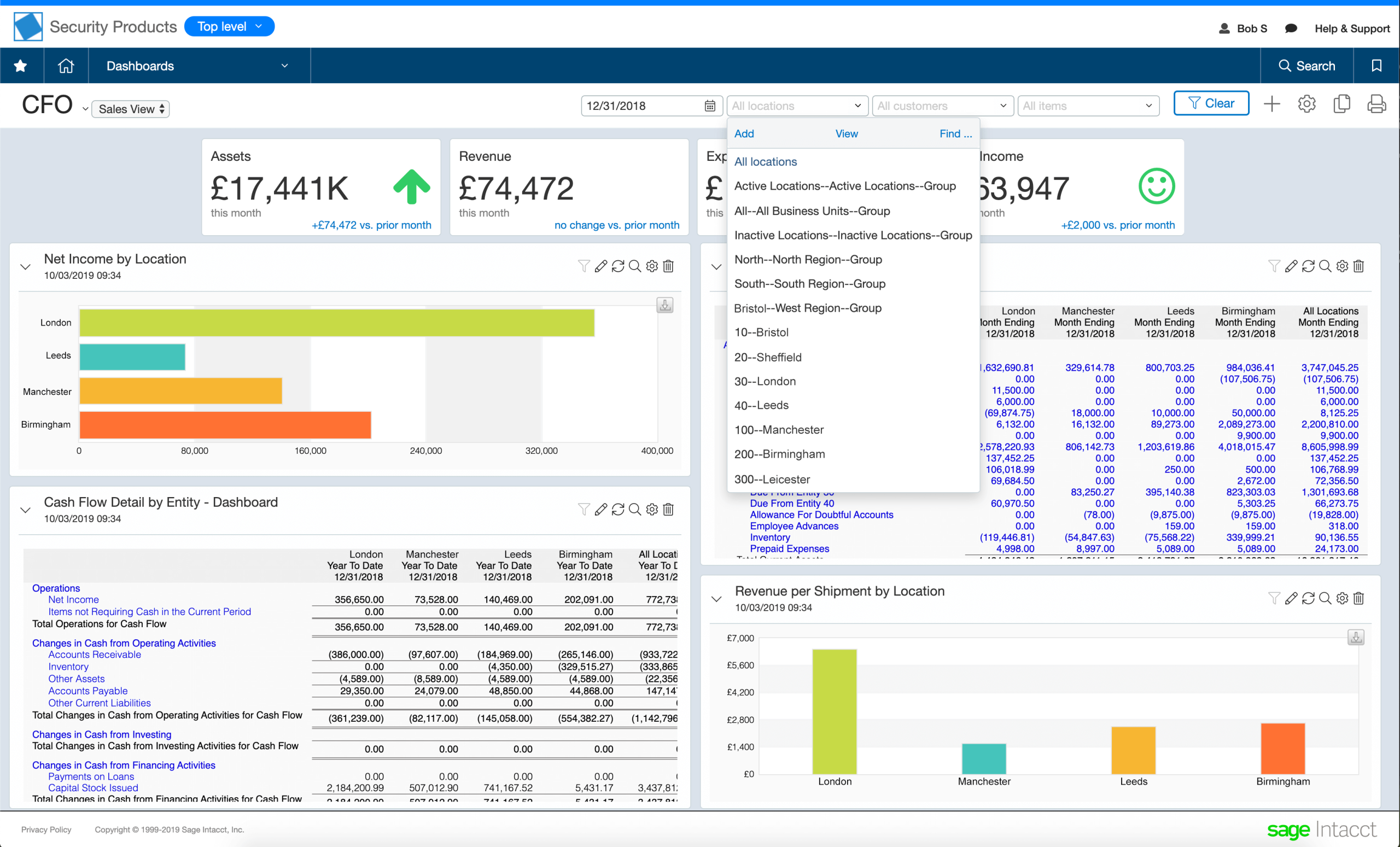
Furthermore, Oracle Netsuite includes powerful analytics and reporting tools that enable businesses to gain valuable insights into their operations and performance. Netsuite offers customizable dashboards, real-time reporting, and advanced analytics capabilities, allowing businesses to track key performance indicators, identify trends, and make data-driven decisions. With Netsuite’s analytics and reporting tools, businesses can optimize their operations, drive growth, and stay ahead of the competition.
In conclusion, Oracle Netsuite is a feature-rich ERP system that offers a wide range of functionalities designed to help businesses streamline their operations, improve efficiency, and drive growth. From financial management to inventory control, CRM, project management, and analytics, Netsuite provides a comprehensive solution that can meet the needs of businesses across industries. With its powerful features and capabilities, Oracle Netsuite is a valuable asset for any business looking to optimize their operations and achieve their goals.
Integration Capabilities of Oracle Netsuite with other Business Applications
Oracle Netsuite is a powerful ERP system that offers seamless integration capabilities with other business applications. This integration enables businesses to streamline their operations, improve efficiency, and enhance overall productivity. With Oracle Netsuite, businesses can easily connect their ERP system with a wide range of third-party applications, such as CRM, e-commerce platforms, and supply chain management systems.
One of the key benefits of Oracle Netsuite’s integration capabilities is its ability to synchronize data across different business applications in real-time. This means that all relevant information is updated automatically and consistently across the entire organization, eliminating the need for manual data entry or reconciliation. This not only saves time and reduces the risk of errors but also ensures that decision-makers have access to accurate and up-to-date information when they need it.
Furthermore, Oracle Netsuite’s integration capabilities allow businesses to create a unified view of their operations by consolidating data from multiple sources into a single platform. This provides decision-makers with a holistic view of the business, enabling them to make more informed decisions and drive better outcomes. For example, sales data from a CRM system can be integrated with financial data from an accounting system to provide a comprehensive view of the company’s performance.
In addition to data synchronization, Oracle Netsuite also offers robust customization and automation capabilities that make it easy to tailor the integration to suit the specific needs of the business. This means that companies can configure the system to automate routine tasks, streamline processes, and create customized workflows that align with their unique business requirements. For example, businesses can set up automated alerts for inventory levels, create customized reports for performance metrics, or configure workflows for order processing.
Moreover, Oracle Netsuite’s integration capabilities extend beyond just connecting different business applications – they also support integration with external partners, suppliers, and customers. This means that businesses can easily collaborate with external stakeholders, share data securely, and streamline communication to drive better business outcomes. For example, companies can integrate their ERP system with a supplier’s inventory management system to automate order processing, reduce lead times, and improve supply chain efficiency.
In conclusion, Oracle Netsuite’s integration capabilities make it a powerful ERP solution that enables businesses to streamline their operations, improve efficiency, and enhance overall productivity. By seamlessly connecting with other business applications, Oracle Netsuite allows companies to synchronize data in real-time, create a unified view of their operations, customize workflows, and collaborate with external stakeholders. Ultimately, these integration capabilities help businesses drive better outcomes, make more informed decisions, and stay ahead of the competition in today’s fast-paced business environment.
Benefits of Using Oracle Netsuite as an ERP Solution
Oracle Netsuite is a comprehensive ERP solution that offers a wide range of benefits for businesses of all sizes. From improved efficiency to enhanced visibility, here are some key advantages of using Oracle Netsuite as your ERP system:
1. Streamlined Business Processes: One of the biggest benefits of using Oracle Netsuite as an ERP solution is the ability to streamline your business processes. With integrated modules for financial management, supply chain management, inventory management, and more, Netsuite helps you automate and optimize your workflows for increased efficiency and productivity.
2. Enhanced Visibility: Oracle Netsuite provides real-time dashboards and reporting tools that give you a clear view of your business performance. With customizable KPIs and analytics, you can easily track key metrics, identify trends, and make informed decisions to drive growth and profitability.
3. Scalability: Whether you’re a small startup or a large enterprise, Oracle Netsuite is designed to scale with your business. As your company grows, you can seamlessly add users, functionalities, and modules to meet your evolving needs without disrupting your operations.
4. Mobile Access: Another major benefit of using Oracle Netsuite as an ERP solution is the ability to access your data and system on the go. With mobile applications for iOS and Android devices, you can stay connected to your business anytime, anywhere. Whether you’re traveling, attending meetings, or working from home, you can make decisions and take actions quickly and efficiently.
Overall, Oracle Netsuite offers a powerful and user-friendly ERP solution that can help you streamline your business processes, enhance visibility, scale with your growth, and access critical information on the go. By leveraging the benefits of Oracle Netsuite, you can drive operational excellence, boost productivity, and achieve your business goals with confidence.
Customer Success Stories and Case Studies of Oracle Netsuite Implementation
Oracle Netsuite has a proven track record of success when it comes to helping businesses streamline their operations and achieve their goals. Many companies have shared their success stories and case studies of implementing Oracle Netsuite, showcasing the tangible benefits they have experienced.
One such success story comes from a mid-sized manufacturing company that was struggling with outdated, manual processes and disparate systems. After implementing Oracle Netsuite, they were able to streamline their operations, improve efficiency, and gain real-time visibility into their data. This resulted in a significant increase in productivity and cost savings for the company.
Another example is a retail company that was looking to expand their online presence and needed a solution that could support their growth. By implementing Oracle Netsuite, they were able to easily manage their e-commerce platform, track inventory levels, and provide a seamless shopping experience for their customers. As a result, they saw a significant increase in sales and customer satisfaction.
Furthermore, a professional services firm was struggling with a lack of visibility into their project profitability and resource allocation. With Oracle Netsuite, they were able to track project budgets, monitor resource utilization, and optimize their operations to drive profitability. This led to improved project delivery timelines and increased client satisfaction.
One more example comes from a tech startup that was rapidly growing and needed a scalable solution to support their expanding business. Oracle Netsuite provided them with the tools to manage their financials, sales, and customer relationships in one integrated platform. This enabled the company to easily adapt to changing market conditions, improve decision-making, and sustain their growth trajectory.
Lastly, a nonprofit organization was struggling to manage their donor information, fundraising campaigns, and financial reporting. After implementing Oracle Netsuite, they were able to centralize their donor data, track campaign performance, and generate detailed financial reports for stakeholders. This resulted in increased donor engagement, improved donor retention rates, and enhanced transparency in financial reporting.
These customer success stories and case studies are just a few examples of the many organizations that have benefited from implementing Oracle Netsuite. Whether they are in manufacturing, retail, professional services, technology, or nonprofit sector, businesses of all sizes and industries have found success with Oracle Netsuite. By leveraging its powerful features and integrated functionality, companies can streamline their operations, drive growth, and achieve their business objectives with confidence.